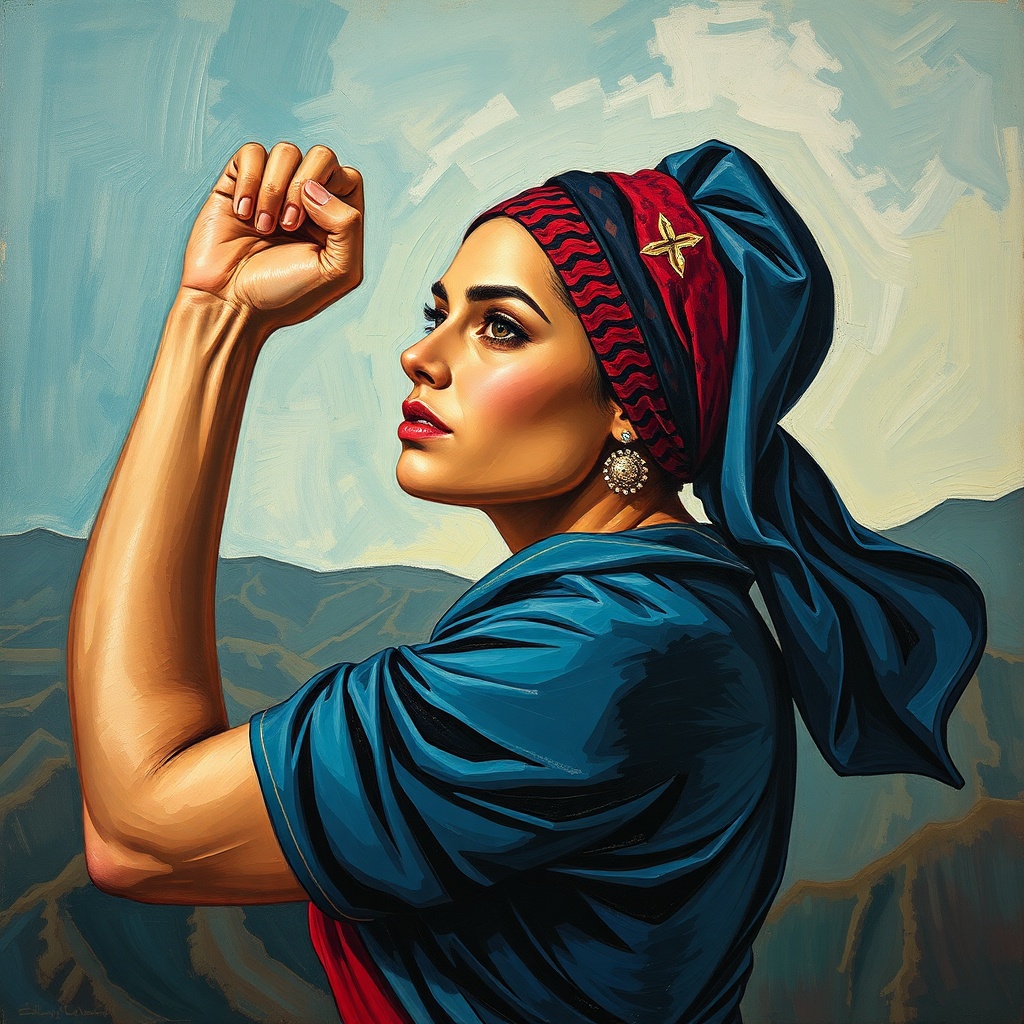
Women’s empowerment is about more than equal opportunity—it’s about creating the systems, skills, and culture that let women lead, innovate, and thrive across workplaces, communities, and families. Today, momentum builds through workplace policy changes, grassroots movements, and technology that amplifies voices.
Practical strategies can turn that momentum into measurable progress.
Common barriers
– Unconscious bias and stereotyping that limit leadership opportunities and stretch women into unpaid caregiving roles.
– Pay and funding gaps that make career progression and entrepreneurship harder to sustain.
– Limited access to mentorship, sponsorship, and professional networks that open doors to promotions and capital.
– Structural obstacles like inflexible work hours and inadequate parental supports.
Actionable steps for organizations
– Implement transparent pay practices and regular pay-equity audits. Transparency reduces bias and helps retain top talent.
– Offer flexible work policies and family support benefits that reflect diverse caregiving responsibilities. Flexibility increases productivity and loyalty.
– Build sponsorship programs where senior leaders actively advocate for high-potential women. Sponsorship drives promotions more effectively than mentorship alone.
– Train managers on inclusive leadership and unconscious-bias mitigation. Small behavioral changes in hiring and promotion can compound into cultural shifts.
Practical steps for individuals
– Invest in negotiation skills. Being clear and confident about compensation and role expectations changes outcomes.
– Cultivate a diverse network: peers, mentors, and sponsors across functions and industries provide access to opportunities and advice.
– Prioritize financial literacy and planning. Understanding personal finances and funding options empowers career and entrepreneurial choices.
– Seek micro-credentials or targeted skills training that align with growth areas—technical skills, data literacy, and leadership frameworks remain high-impact.
Role of entrepreneurship and capital access
Entrepreneurship is a powerful route to empowerment. Women founders create jobs, build resilient communities, and shift economic power. Yet access to capital is uneven. Solutions include women-focused venture funds, grant programs, crowdfunding platforms, and investor education efforts that highlight untapped market opportunities. Building relationships with angel groups and community lenders can unlock early-stage support.
Community, policy, and cultural change
Policy changes—such as family leave, affordable childcare, and pay-equity legislation—create an enabling environment. Community initiatives like local mentorship circles, leadership labs, and advocacy coalitions keep momentum grassroots-driven. Cultural change requires visible role models: leaders who share diverse career paths, prioritize work-life integration, and openly discuss setbacks and growth.
Measuring progress
Trackable goals help sustain momentum.
Organizations can measure representation at each level, retention rates, pay gaps, promotion equity, and participation in leadership development. Individuals can set measurable targets for savings, networking activities, skill acquisition, and promotion timelines.
Everyday empowerment
Empowerment often grows through everyday choices: asking for feedback, seeking a sponsor, joining a board, or mentoring others.
Small, consistent actions expand influence over time and help create a ripple effect in communities and industries.
Take the next step
Choose one area to focus on this quarter—negotiation, sponsorship, financial planning, or policy advocacy. Commit to a measurable action and a follow-up check-in. Collective progress happens when organizations and individuals take deliberate, sustained steps that turn intent into real opportunity.